


































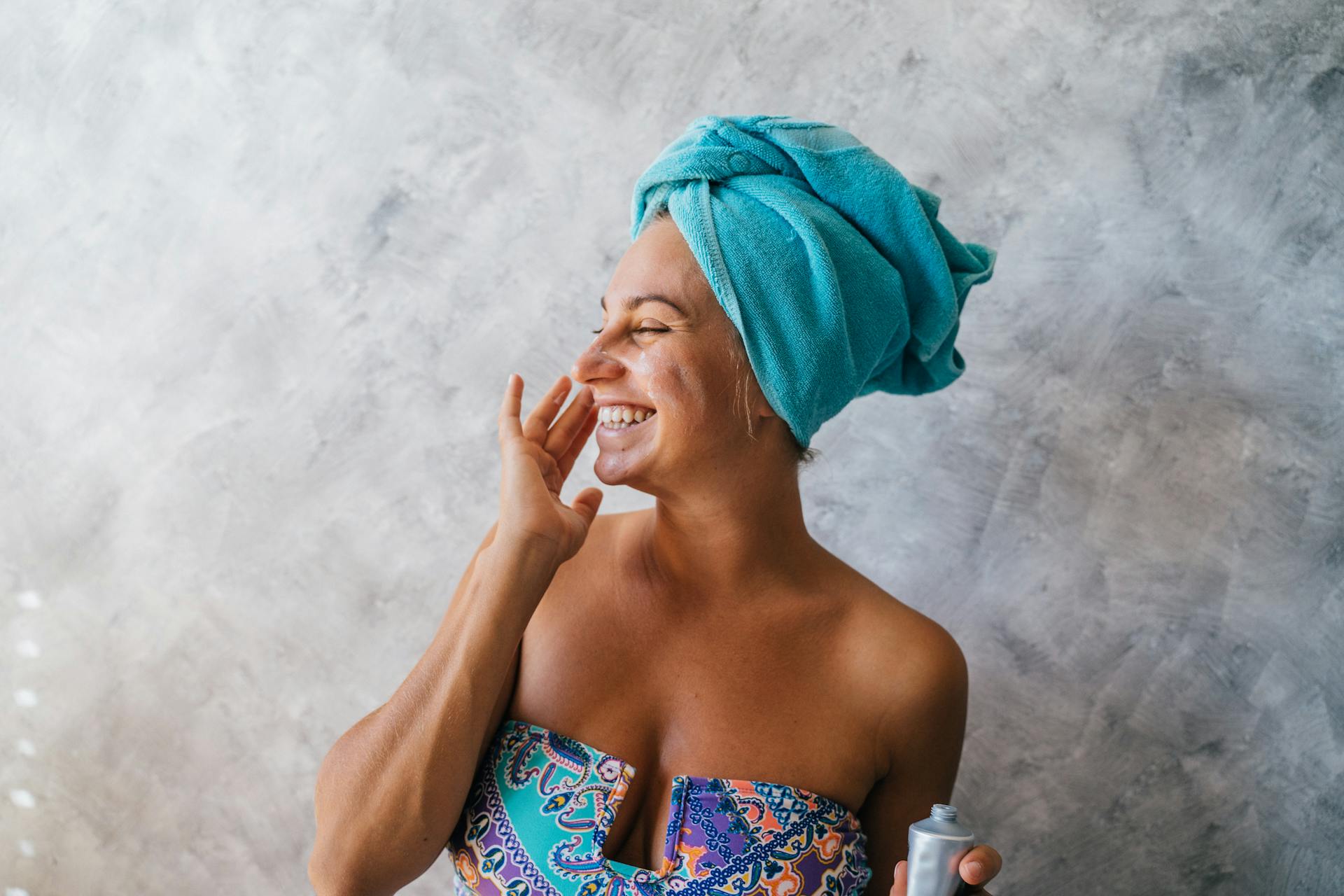
Wellness conversations today are no longer limited to workouts, nutrition plans, or meditation apps. More people are beginning to understand that caring for the body also means creating intentional moments of restoration throughout the day. In many ways, skincare has evolved into a wellness ritual, one that supports confidence, relaxation, and self-awareness all at once.
Modern wellness trends increasingly focus on slowing down and building sustainable habits instead of chasing perfection. This shift explains why skincare has become more than a cosmetic practice. It now represents a personal pause in an otherwise fast-moving lifestyle.
For many people, the simple act of cleansing the skin at night or applying a hydrating cream in the morning creates structure and calm. Those few minutes can become a reset button after stressful workdays, endless screen time, and overstimulation. Wellness experts have also emphasized the value of routines because consistent habits tend to improve long-term physical and mental health outcomes.
The Connection Between Skin Health and Emotional Well-Being
There’s a strong emotional component tied to how people feel about their skin. When skin feels dry, irritated, or fatigued, it often affects confidence and mood as well. On the other hand, healthy skincare habits can contribute to a greater sense of comfort and self-assurance.
This does not mean chasing unrealistic beauty standards. In fact, experts increasingly encourage authenticity and balance rather than perfection. The goal is not flawless skin—it is healthy skin that reflects consistent care and attention.
Stress management also plays a role. Lack of sleep, dehydration, environmental exposure, and elevated stress levels can all impact the skin’s appearance. As people become more aware of the connection between internal wellness and external appearance, skincare routines are being approached with greater intention. Products that encourage hydration, nourishment, and gentle treatment are becoming part of broader self-care practices.
This is one reason premium skincare collections continue gaining attention among wellness-conscious consumers. Many people are searching for products that feel luxurious while still supporting daily care routines. Brands like ELEMIS have become increasingly popular because they blend spa-inspired experiences with practical skincare solutions that fit into everyday life.
Why Ritual Matters More Than Perfection
One of the biggest shifts in wellness culture is the movement away from extreme routines. Instead of overwhelming regimens, many people now prefer small but meaningful daily practices. A five-minute skincare ritual can sometimes provide more emotional benefit than complicated systems that are difficult to maintain.
Consistency matters more than intensity. That principle appears repeatedly in discussions surrounding health, nutrition, and mindfulness. The same philosophy applies to skincare. Gentle cleansing, hydration, sun protection, and occasional restorative treatments can create lasting benefits over time.
The sensory experience also matters. Texture, scent, and application all contribute to how a routine feels emotionally. A calming cleanser or nourishing facial balm can create a spa-like atmosphere at home, helping individuals disconnect from stress even briefly. These small rituals often become important moments of self-care in busy schedules.
This is especially relevant today as digital fatigue continues affecting daily life. Wellness experts have noted that many consumers are actively looking for experiences that feel grounding and restorative in response to constant online engagement. Self-care routines that encourage mindfulness naturally fit into that growing demand.
Wellness Is Becoming More Holistic
The modern definition of wellness has expanded significantly over the last decade. It now includes emotional health, sleep quality, movement, nutrition, stress reduction, and personal care. There’s an increasing emphasis on the importance of approaching wellness holistically rather than through isolated habits.
Skincare fits naturally into this broader perspective because skin health is influenced by many lifestyle factors. Hydration, diet, rest, and emotional stress can all affect the skin’s appearance and resilience. When people improve overall wellness habits, the skin often reflects those changes as well.
At the same time, skincare routines can reinforce mindfulness and discipline. Establishing simple morning and evening rituals creates structure that supports broader healthy habits. Even something as simple as taking a few moments to slow down and care for oneself can positively influence mental well-being.
The growing popularity of wellness-centered beauty routines also reflects a larger cultural shift toward intentional living. Consumers are becoming more selective about the products they use and the routines they maintain. Rather than focusing solely on trends, many now prioritize quality, comfort, and long-term wellness support.
A More Balanced Approach to Self-Care
Perhaps the most important aspect of today’s wellness movement is balance. Sustainable health practices are replacing unrealistic expectations and burnout-driven routines. People are learning that wellness does not always require dramatic transformations. Often, it begins with small habits practiced consistently.
Skincare rituals represent one of the easiest ways to build those moments into everyday life. Whether it’s a quiet morning routine before work or an evening reset after a stressful day, these practices encourage people to pause and reconnect with themselves.
As wellness continues evolving, the connection between self-care and skincare will likely grow even stronger. The focus is no longer purely aesthetic. It’s about creating routines that help people feel healthier, calmer, and more grounded in daily life.