































“He is just a little bit shivery.” The nurse said as she handed me my hours-old son, Lew. No one was worried, not even me, a world-class worrier. It all seemed harmless enough—he looked perfect, had a full count of fingers and toes, and had aced all his newborn screening tests. So the hospital did what’s done for 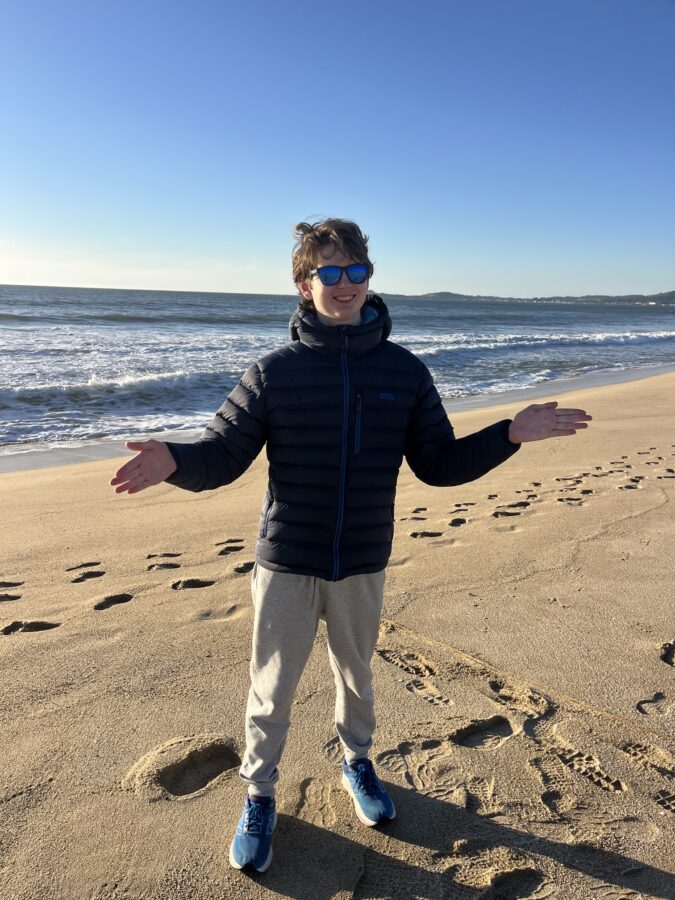 shivering: They wrapped him in extra blankets and sent us out into the bright, warm world, the place where Lew could start his life as our along-for-the-ride fourth child.
But out in the world, Lew kept shivering in a way that blankets could never solve. By the time he was two, genetic testing revealed Lew’s rare and catastrophic epilepsy, a diagnosis that included many co-morbidities, medicine’s haunting descriptor for the myriad side problems that come along with your main problem. Lew’s genetics had sentenced him to a lifetime of constant seizures—often 10-20 per day, cognitive disabilities, lack of coordination, and poor muscle control. Our world, Lew’s world, contracted. We measured our days in seconds—how many a given seizure was, how many before the next struck. Life was a ticking stopwatch. 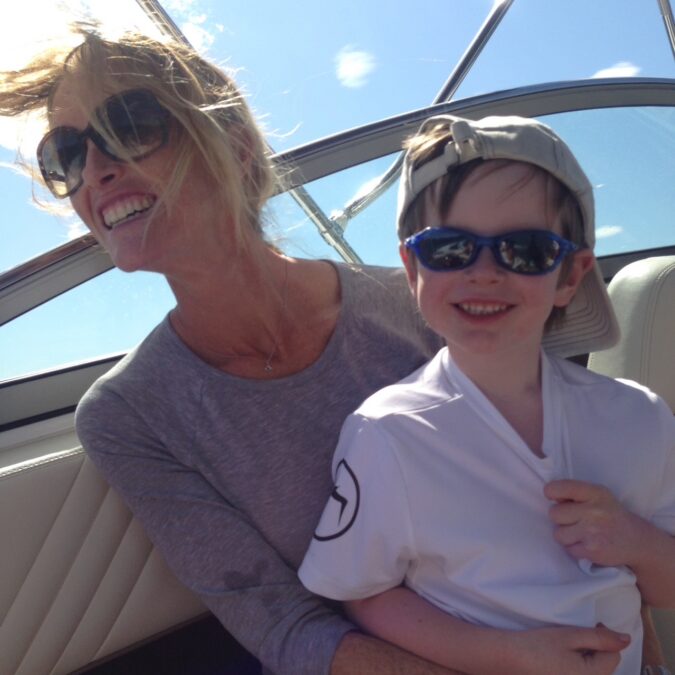 Which can sound a lot like a bomb.
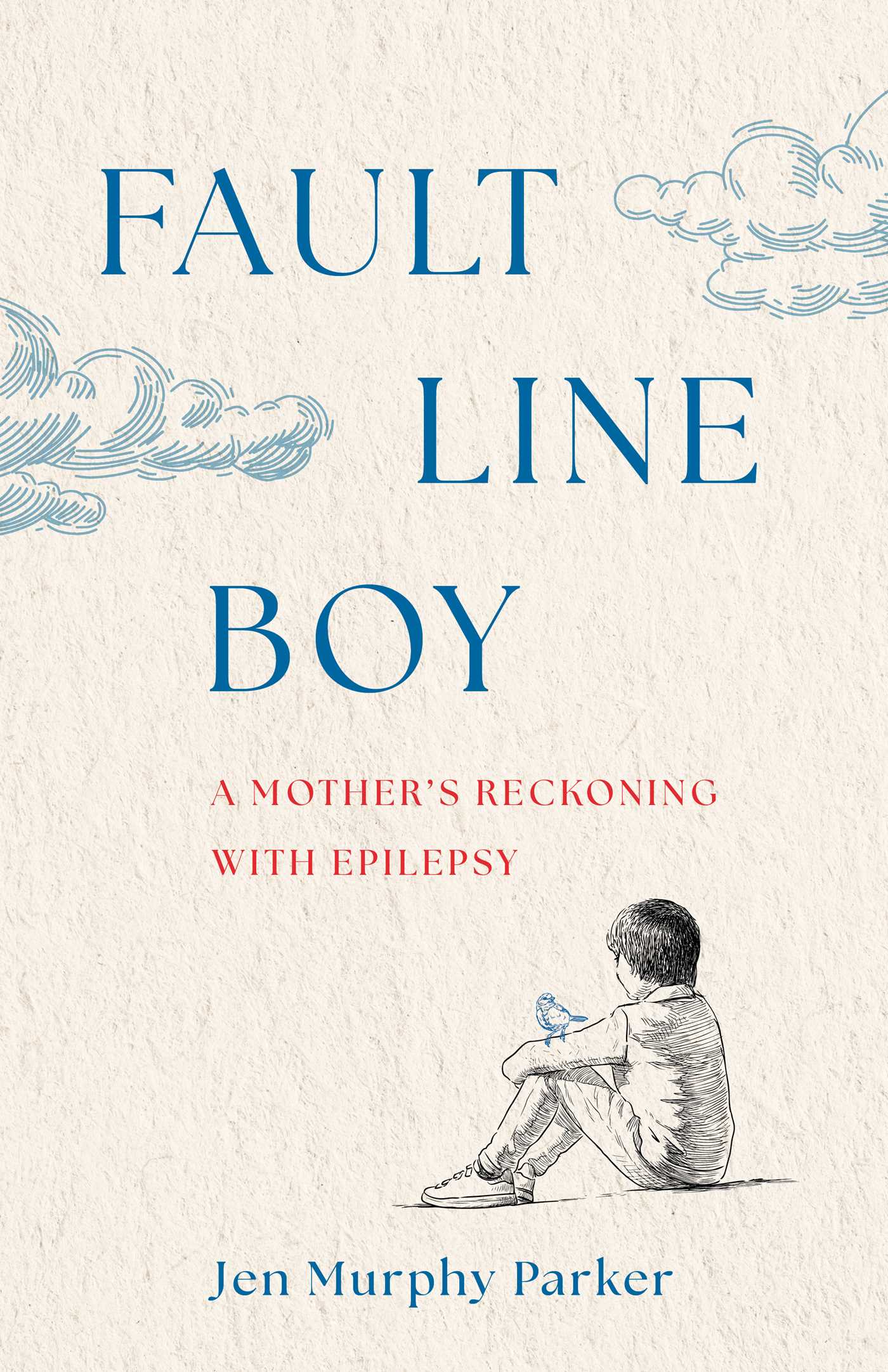
And then, after seven years of intractable epilepsy—a span of years when we often doubted Lew would survive—a clinical trial drug worked. Tiny vibrating particles in two daily teaspoons of liquid stilling Lew. And not just reducing his seizures: All but eliminating them. Lew has now had one seizure in nine years. Small pharma ingenuity granting him health, gifting him back his childhood, lending my memoir Fault Line Boy, about navigating Lew’s diagnosis, a near-fictional arc. My profound privilege to be able to tell a story that starts so hopeless and turns out so hopeful.
We no longer count or fear seconds. Instead, we live in them, the 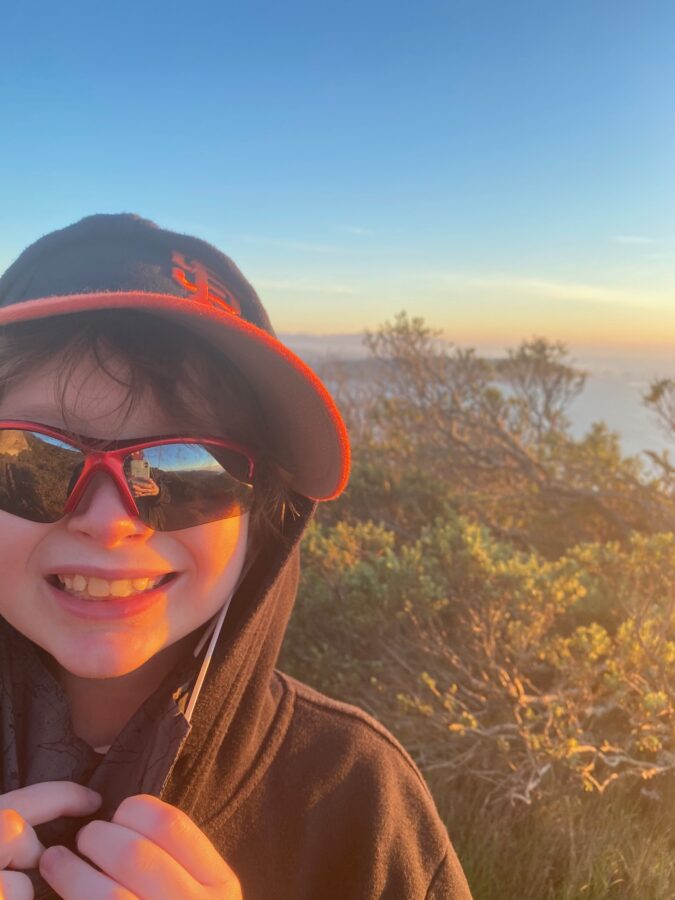 way Lew has taught us to. We follow his mindful approach to his days, an approach he doesn’t even have to think about having. He has an innate ability to celebrate what is simple and good in a day: A hug, a cup of lemonade, a great joke, a good friend, an uneventful hour. The kid we worried wouldn’t survive teaches us how to live.
And while Lew’s path won’t be typical—he likely won’t go to college, get married, have a career or kids of his own—his path will be peopled and fulfilling and his own. He shows us daily: There is beauty to be found in stillness.