












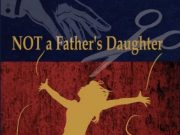














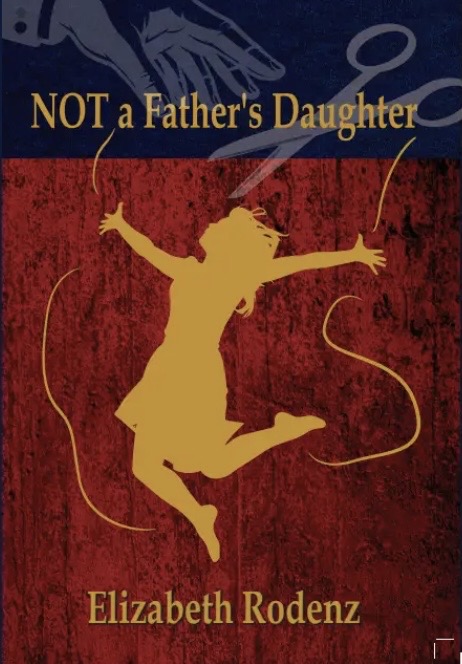
Do not be fooled by the title or the gender of the author. Between the covers of NOT a Father’s Daughter, there is universal knowledge for both men and women of all ages and most relevant for this moment in history and beyond.
Unknowingly, I declared at age eight that I would not be a puppet on a string, not a father’s daughter. Reflecting on how I observed the world around me and fought the injustices I encountered, I have brought forth an inspiring manifesto for both women and men.
I explore controversial issues and shed light on the ways the acquired mind upholds traditional gender roles and thereby the patriarchy. I expose the clandestine, venomous practices that keep both women and men oppressed and struggling, relegated to the shadows.
My call to action requires a dismantling of the acquired gender differences, a bonding together of both men and women of all ages, of all ethnicities. It requires the soul and spirit and the compassion and courage of each of us to decimate the efforts of those who pummel and plunder our lives, our institutions, our cultures, our country, our world.
The book is divided into four parts. Part One begins with an intimate portrait of growing up in a world that was trying to make me either conform and bend or pretend.
I trace a life shaped by a force that resided within me that I did not understand then. Yet, that force was compelling and would not allow me to bow down to the forces around me. I reveal how time and time again I cut the strings of the puppeteers that appeared. My life became a universal story about identity and the quiet courage it takes to speak out and reject dictates and dogma.
In Part Two, I explain how a mind can become acquired by the collective, the predators that can invade the mind, and the masks that are worn to please the collective. Realizing that I did not have the same desires as other women and that my desires did not conform to the collective’s, I delve into why all women do not desire the same things to the same degree. I also reveal the myth of viewing feminine and masculine behaviors as two distinct, separate categories, and how that fuels the conflict between men and women. It also dictates how they are to move in the world.
In Part Three I expose the tactics of the Sorrow Eaters and the patriarchy and its supporters and how it strangles the life of others. The clandestine methods used are exposed, and I do not hesitate to call out the perpetrators who are harming both men and women.
Integrating the previous sections of the book, in Part Four, I provide guidance and ask the reader to take responsibility to chart the course of the life he or she is meant to live, not the life they are supposed to live.